When Adults Act Stupid, Children Pay for It
A closer look at Raymond, the little boy caught between two parents he loved and a battle he never chose.
One of the things I’ve told my kids for years is this: “When adults act stupid, children pay for it.”
It isn’t something I came up with because it sounded good. It’s something life has taught me over and over again.
When adults act stupid, children pay for it.
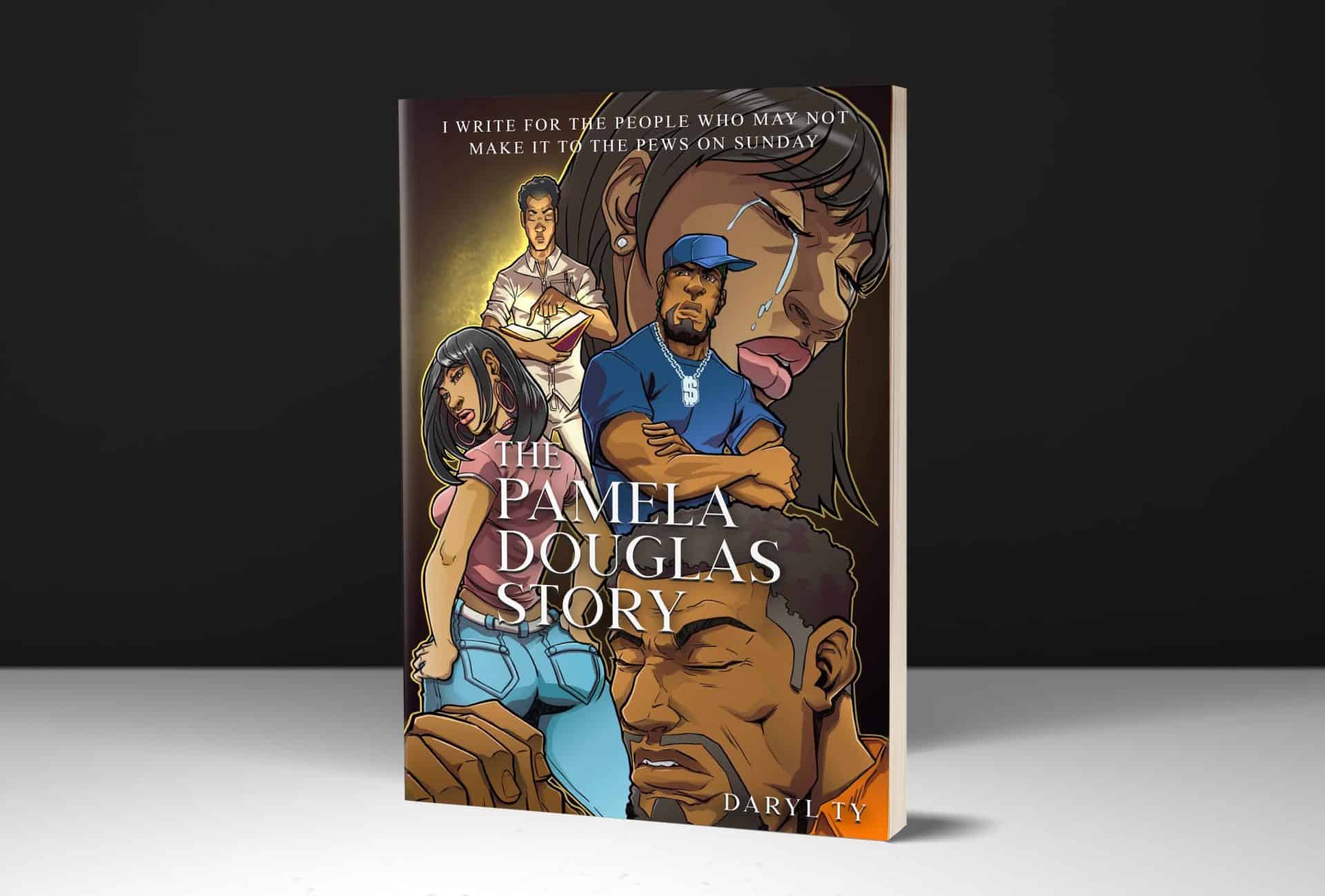
As I worked back through Chapter 1 of The Pamela Douglas Story this week, I realized something. Most people will naturally focus on Pamela, and they should.
She’s the mother trying to protect her children while her world is falling apart around her. Her pain is impossible to ignore.
But this time, my attention stayed somewhere else.
A Child Who Knows Something Is Wrong
Raymond is only five or six years old.
He’s old enough to know that this isn’t where he grew up.
He knows his family isn’t living together anymore.
He knows his daddy isn’t home.
What he doesn’t know is why.
He doesn’t understand addiction.
He doesn’t understand broken marriages.
He doesn’t understand pride.
He doesn’t understand anger.
He doesn’t understand the long trail of consequences that sinful choices leave behind.
He only knows that he loves his mama, and he loves his daddy.
That’s what makes this scene so heartbreaking to me.
Children Are Not Building a Case
Adults often look at situations like this and immediately begin assigning blame.
Children don’t do that.
They aren’t trying to build a case against one parent or defend the other.
They’re trying to make sense of a world that suddenly doesn’t feel safe anymore.
Imagine being five years old and hearing your father’s voice on the other side of the door.
Imagine hearing anger you don’t understand directed toward the two people you depend on most.
Then imagine seeing your mother on the floor and crying out:
“Don’t kill Mommy, Daddy.”
That isn’t just a line in a story.
That’s a little boy trying to protect the person who has always protected him while still calling out to the father he loves.
Children Do Not Stop Loving Failed Parents
Raymond doesn’t stop loving his father in that moment.
Children rarely do.
They don’t wake up one morning and decide to stop loving a parent because that parent has failed.
They simply find themselves caught between two people they love, carrying emotions they don’t have the maturity to process.
I think that’s one of the most overlooked victims in broken homes.
We talk about the husband.
We talk about the wife.
We talk about the addiction.
We talk about the affair.
We talk about the abuse.
But we don’t spend enough time talking about the child standing in the hallway, trying to figure out why the people he loves most can’t love each other.
The Lessons Children Never Asked to Learn
Those moments shape children far more than we realize.
They begin teaching lessons that were never meant to be part of childhood.
Home stops feeling like a place of protection and starts feeling like a place where something bad could happen.
The child knows something has changed but does not understand what caused it or how to fix it.
The child begins watching voices, moods, doors, and movements instead of simply being allowed to be a child.
Before long, the child starts carrying fear, responsibility, and pain that belong on adult shoulders.
Our Children Are Learning From What They See
Paul wrote these words to fathers:
“Fathers, do not provoke your children to anger, but bring them up in the discipline and instruction of the Lord.”Ephesians 6:4, ESV
That verse is about more than discipline.
It’s a reminder that our children are being shaped every day by what they see in us.
They are learning what love looks like.
They are learning what conflict looks like.
They are learning what forgiveness looks like.
They are learning what home is supposed to feel like.
The truth is, every decision we make reaches farther than we think.
When we humble ourselves, repent, ask forgiveness, and follow Christ, our children see that too.
When we refuse to change, they see that as well.
When adults act stupid, children pay for it.
Jesus Can Break What Families Keep Passing Down
The good news is that Jesus didn’t come only to forgive broken people.
He came to break cycles that have been passed from one generation to the next.
That’s one of the deeper stories unfolding beneath Chapter 1 of The Pamela Douglas Story.
It isn’t only about what happened to Pamela.
It’s also about what happened inside a little boy who loved both of his parents and found himself standing in the middle of a battle he never chose.
Think About the Child in the Hallway
Before we defend our pride, hold onto our anger, or excuse our choices, we should ask who else will have to carry the consequences.
Who is listening from the next room?
Who is watching the way we handle conflict?
Who is learning what love looks like by studying us?
And how many of us, if we’re honest, were once that little boy or that little girl?
Step Into the Douglas Family Story
Meet Pamela, Raymond, Michael, Kevin, and the rest of the Douglas family by reading Chapter 1 of The Pamela Douglas Story. Then explore the deeper reflections and study materials connected to the story.